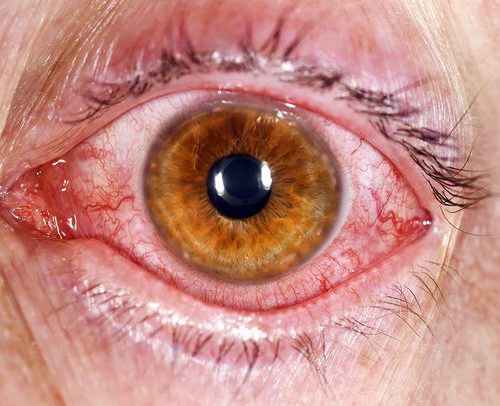
Usually triggered by a virus in the conjunctiva, the thin clear tissue covering the front of the eye, conjunctivitis is a common and uncomfortable eye condition that can be caused by infections, allergies or irritants. Highly contagious, but not damaging to vision, infection usually begins in one eye but the condition can spread to the...
Project Category: Eye Conditions
Cataracts
Cataracts are cloudy areas that form in the lens, a transparent structure that lets light into the eye. A cataract causes part of the lens to become opaque. Light does not pass through easily, and vision becomes blurry, like looking through a fogged-up window. The cloudier the lens, the worse vision will be. Cataracts are...
Retinitis Pigmentosa
A group of eye problems that affect the retina, retinitis pigmentosa (RP) is a rare group of hereditary diseases that causes the photoreceptors in the retina to gradually degenerate. People with retinitis pigmentosa lose their vision slowly over time, as it changes how the retina responds to light, making it hard to see. The type...
Optic Neuritis
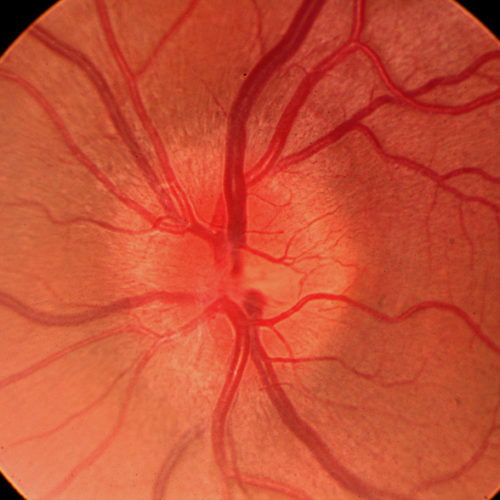
Optic neuritis occurs when the optic nerve, the pathway that transmits visual information to the brain, becomes inflamed, destroying the myelin sheath that surrounds the nerve. Nerve damage that occurs in the section of the optic nerve located behind the eyeball, called retrobulbar neuritis, is most often associated with multiple sclerosis (MS). Optic nerve inflammation and swelling...
Macular Degeneration
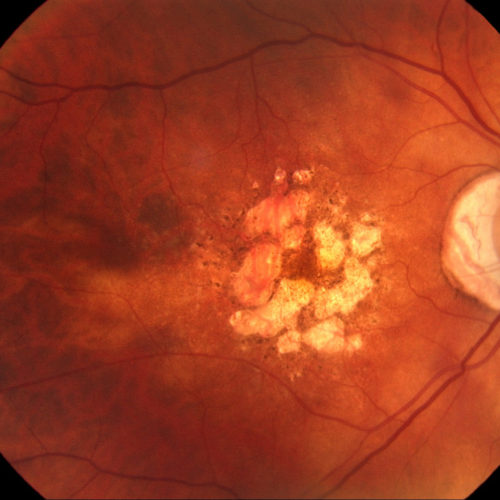
The leading cause of vision loss, macular degeneration is caused by the deterioration of the central portion of the retina, the inside back layer of the eye that records the images we see and sends them via the optic nerve from the eye to the brain. The retina’s central portion, known as the macula, is...
Floaters & Flashes
Eye floaters appear as small spots that drift through your field of vision. They may stand out when you look at something bright, like white paper or a blue sky. Floaters earn their name by moving around in your eye. They tend to dart away when you try to focus on them. They may be...
Diabetic Retinopathy
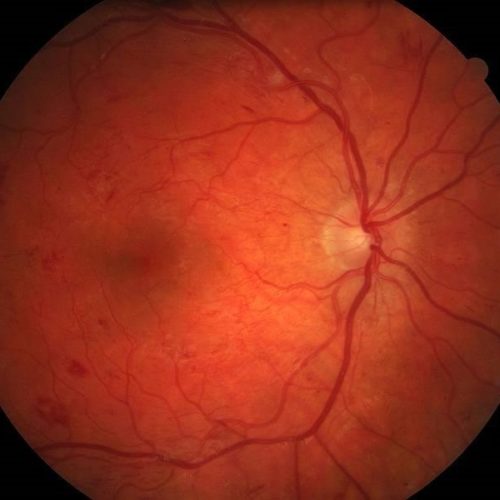
Patients with diabetes (type 1 or type 2) are susceptible to diabetic retinopathy, a condition that affects their eyes – a risk that’s considerably increased when blood sugar control is not optimal. Most commonly, diabetic eye disease presents with a reduction in vision but by the time this is noticed by the patient the disease...
Artery Occlusion
A retinal artery occlusion occurs when the central retinal artery or one of the arteries that branch off it becomes blocked. Typically caused by a tiny embolus (blood clot) in the bloodstream, the blockage or occlusion decreases the oxygen supply to the area of the retina nourished by the affected artery, causing permanent vision loss....
Presbyopia
A normal sign of aging that’s impossible to ignore and difficult to hide, presbyopia usually occurs beginning at around age 40 – you’ll know when it’s happening to you as you’ll need to hold objects or reading material further away from the eyes in order to focus. The eye’s lens stiffens with age, so it’s...
Myopia (Short-Sightedness)
The most common refractive error of the eye, short-sightedness or myopia occurs when light entering the eye focuses in front of the retina instead of directly on it. Corrected either by glasses, contact lenses or LASIK, near-sighted people typically have difficulty reading road signs and seeing distant objects clearly, but see well for close-up tasks...