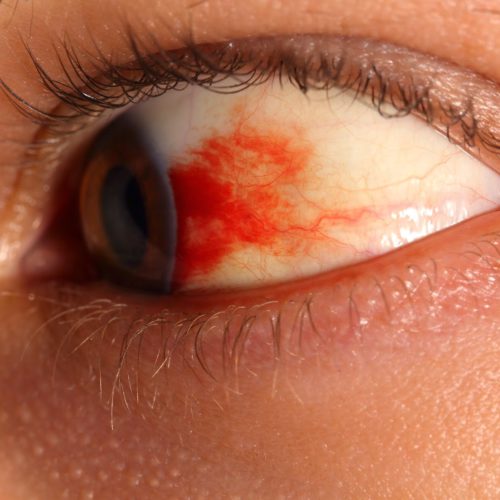
The term pterygium refers to a fleshy thickening of the conjunctiva which has grown onto the surface of the cornea. Commonly seen in people with high outdoor exposure to UV light, dust and wind, such as fishermen, surfers, and golfers, the treatment of a pterygium is to reduce its exposure to UV with sunglasses or...
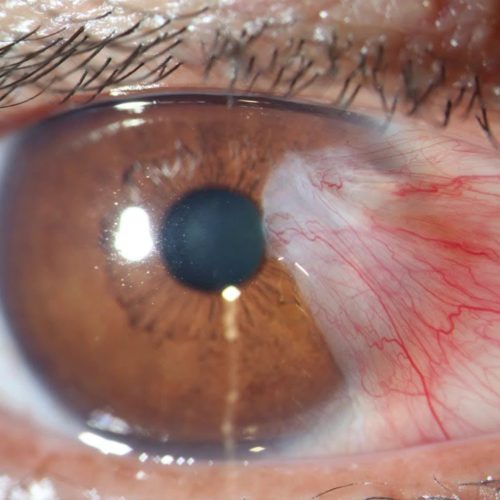
Project Category: Procedures
Cataract Surgery
A cataract is the clouding of the natural lens in the eye. Usually an age-related problem, cataracts can also be congenital and occur in children, related to diabetes or caused by trauma to the eye. Surgery is the only treatment option for cataracts. The operation is performed under local anaesthetic as an in-hospital day procedure...
Diabetic Macular Oedema
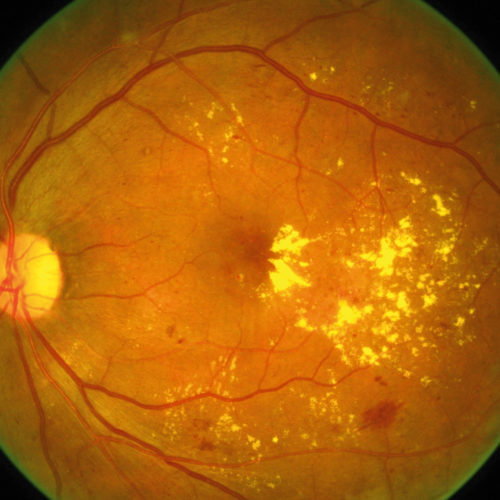
Diabetics can have leakage at the macular, the central part of one’s eyesight, which usually presents with blurred vision. The ophthalmologist can detect this clinically, by using an optical coherence tomography (OCT) scan of the macular. If the leakage is too close to the central vision, laser is not suitable and the ophthalmologist may suggest...
Corneal Cross-Linking (Keratoconus)
Literally meaning “cone-shaped cornea”, keratoconus is a degenerative eye disorder in which the normally round, dome-like cornea thins and develops a cone-like bulge. The condition usually affects both eyes, but fortunately, patients with progressive keratoconus can be treated and stabilised by means of corneal cross-linking, a simple, effective and relatively inexpensive technique to arrest its...
Glaucoma Surgery
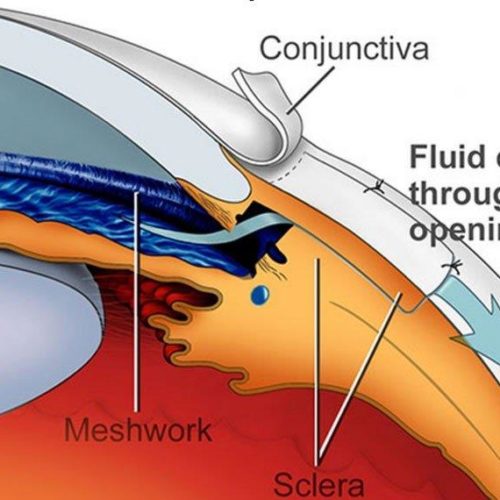
Glaucoma covers a group of eye conditions that damage the optic nerve as a result of abnormally high pressure in the eye. Glaucoma surgery involves either laser treatment or the microsurgical creation of a fistula to reduce the intraocular pressure. The type of surgery recommended will depend on the type and severity of the glaucoma....
Diabetic Retinopathy
As a common disease afflicting both young and old, diabetes has important implications for the eyes. Fluctuations in blood sugar can cause changes in the focusing of the crystalline lens within the eye and may cause temporary visual blurring, particularly if diabetic control is poor. Diabetes can also cause cataracts in young people, or accelerate...